
Reliable & Cost-Effective Steel Pipe -HMS 1/2 Solutions Since 2005
Professional metal processing
PIPEXPERTS® Since 2005
From structural steel pipe to surplus tubulars and Scrap pipe, TRANSWORLD as Steel Material delivers, cost-effective, job-ready solutions with the reliability and integrity you can count on.
Our SERVICES
LIMITED SERVICE CASING
We stock OCTG
LIMITED SERVICE CASING
We stock OCTG products and offer CNC threading and hydrotesting to get your material job-ready.
products and offer CNC threading and hydrotesting to get your material job-ready.
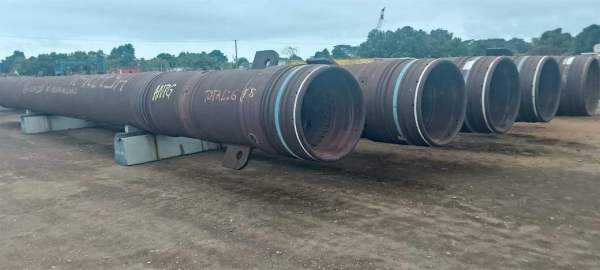
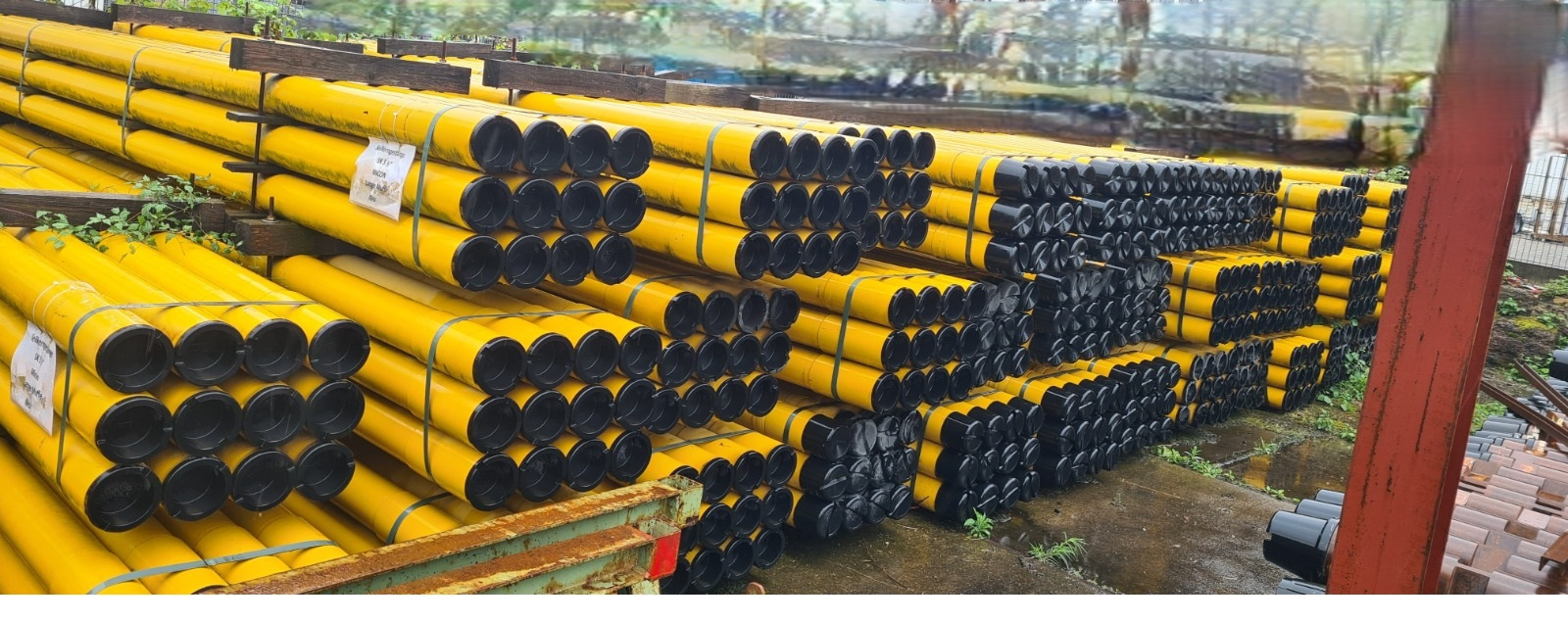
Stacked OCTG steel casing pipes with green thread protector caps stored outdoors at a pipe yard with steel pipe racks and trees visible in the background under a blue sky. We're also selling the HMS (Heavy Melting Steel),recycled materials to be dismantled and delivered according to the buyer's request.
We offer


24 hours service
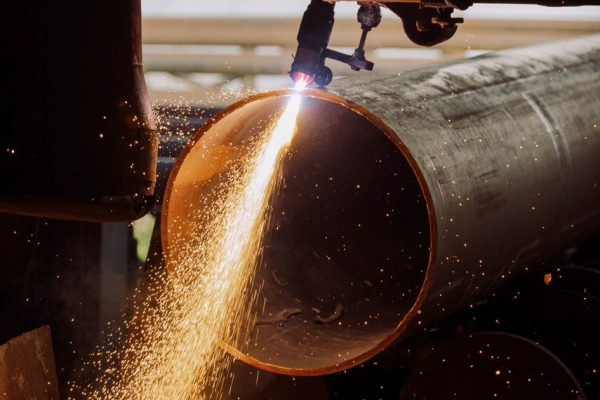
Cutting & Splicing
Cutting & Splicing
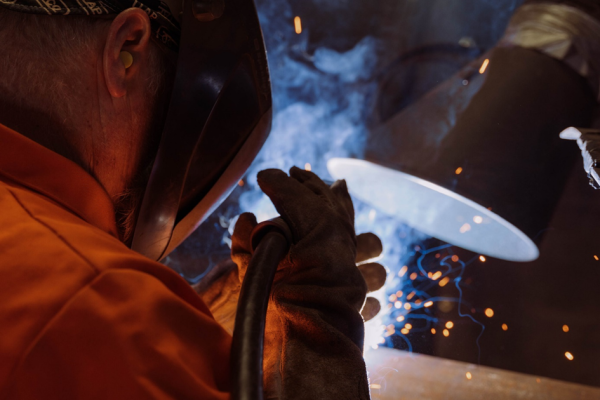
Precision cutting up to 42" O.D., and all welding is performed by AWS-certified welders on standard and high-strength materials.
BEVELING & END FINISHING
From standard 30-degree bevels to custom angles, our multiple beveling capabilities deliver precise, clean end finishing for every application


A better Better Shipping & Logitic
A better Shipping & Logitic
Shipping & Logistics Support
Experienced logistics support across commercial carriers and rail, built to handle any project size or schedule.
Coatings & Linings
A full range of coatings including shop primers, epoxies, fusion bond, and galvanizing, supported by complete surface preparation and finishing capabilities


Always good choice for getting Pipe as STRUTURAL & Scrap


Your Next Project Deserves the Right Pipe
Partner with Transworld As Steel Material for dependable tubular products, expert processing services, and the kind of customer support that’s been earning trust since 2005
Transworld As Steel Material
what makes us different
About us
1-Streamlined Procurement,inventoty planning,analysis and classification,logitics, product line,servey & inspection
2-
2--2-

Address:
Siège social : Douala quartier Makepe face Direction Technique orange
www.transworld2m.com
Stainless steel
n the recycling industry, scrap metals are categorized into two main types: ferrous and non-ferrous metals. This basic classification is crucial for effective metal recycling operations globally. The distinction between these types influences everything from sorting methods to market value.
Ferrous metals have iron as their primary component and are magnetic, making them easy to identify and separate during recycling. Common examples are steel, cast iron, and wrought iron, often used in construction materials, vehicles, and industrial equipment.
Conversely, non-ferrous metals lack iron and are non-magnetic. This group includes copper, aluminum, brass, bronze, and precious metals like gold and silver. They typically command higher market prices due to their greater malleability, resistance to corrosion, and specialized applications in industries such as electronics and aerospace.

as Chief Executive Officer
Phone:
+1 823 621 4363
+237 676 126 632
+237 697 564 263